Advertising seduces me into ever wanting more. Advertising leaves me wanting.
Nature arouses in me the need to belong, experience and explore. Nature fulfils these needs and more.
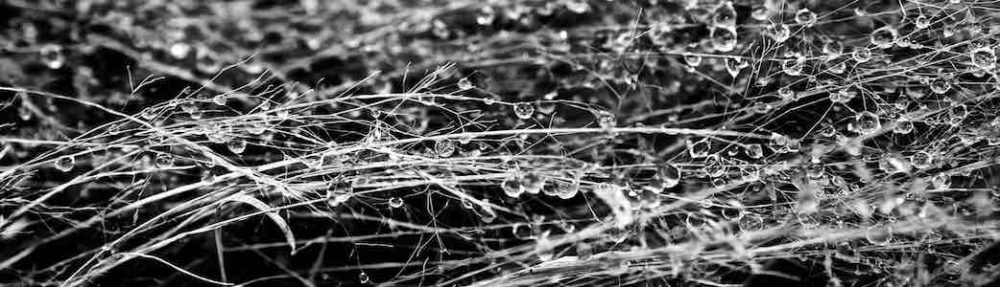
Advertising seduces me into ever wanting more. Advertising leaves me wanting.
Nature arouses in me the need to belong, experience and explore. Nature fulfils these needs and more.

Although I feel a closeness to nature in the place that I live, I recognise that I live in an anthropomorphic construct of the natural world. Our previously bare domestic garden is increasingly made up of intentional revegetation. However, this is composed of a significantly disproportionate mix of indigenous and non indigenous species, of naturally random, arbitrary and planned placement of plants and spaces. Our decision making always seems to find a way to more suit human than wildlife visitation.
The wider rural countryside is much the same. Despite being comprised of grasses, shrubs, trees, water and wildlife, this is a man made place. The dominant grasslands are introduced crops and pasture, extensive and controlled. Amongst the shrubs and trees exotics are commonplace whether in a garden or in the bush. The creeks support nothing like the biodiversity they once did and across the landscape quality indigenous habitat is scarce. Any natural world remnants are fragmented and disconnected, degraded and infiltrated. This place has been radically modified by the imposition of a consumption focussed cultural model, where everything must serve a human oriented purpose.
In the tiniest instance of natural world history, narrow human interest has either directly destroyed or undermined millennia after millennia of interdependent natural world systems development. Ironically, this continuing single mindedness may well be our own undoing. Regardless of how obvious this fact should be, it remains subject to debate because of human arrogance and our incapacity to respond to science, to recorded history, or learn from our mistakes.
Science and recorded history tell us that just 250 years ago Australia hosted a richer natural world where waterways, landscapes and the sky were full of the noises and business of bush life. Today we consider a terraformed garden space that might just support a small range of wildlife part of this natural world. It is not, by its very nature it is a construct, better than other forms of obliterating built environment, but a construct nonetheless. Without a doubt, humans will choose to retain their gardens for productive use and against the uncontrolled threat of the wild
Gardens are necessary for function and pleasure. However, extensive rewilding is the only scalable answer to imminent ecosystems collapse. Unless we restore declining biodiversity, consequent collapsing food chains and the checks and balances of natural world systems interdependence, we will lose everything.

Natural world spaces beckon. A track, a trail, a waterway, a forest, a desert, a garden, a valley, a mountain, a park. They call on us to linger in place, to appreciate and contemplate. They feed our souls and refresh our minds. They represent and deliver the simplest pleasures of life, observing and feeling part of the interconnectivity of everything.
How is it we can perceive acquisition of things as necessary to our wellbeing, but continue to feel deprived of a sense of wellbeing when we acquire things? Why does this disconnect exist? Where does it come from? What is it that we really need or want?
When is thinking more important than things? Other than when things are required to do good work, maybe all the time?
Ah, but what exactly is good work ….. ?
I recently read David Attenborough’s 2020 book, “A life on our planet: My witness statement and a vision for the future”. Ever since, I have been contemplating how on earth it will be possible to action the plans he outlines for preserving functional global climate systems, biodiversity, and saving ourselves from ourselves.
Rewilding is one solution Attenborough envisages. A small example may be when many urban neighbourhoods develop their own small forests and foster biolinks. The cumulative effect could be significant. Just as each relatively small piece of new built environment and mono cultural agribusiness diminishes our capacity to recover, each relatively small piece of new ecosytem and forest enhances it. See www.bbc.co.uk/news/stories-56003562
I love it when you are reading a book, no matter how good it is, and you come to a blank page. This is because as you turn that empty page you are quickly one page closer to the end than you thought. One page closer to the sweet anticipation of finding and starting your next book.
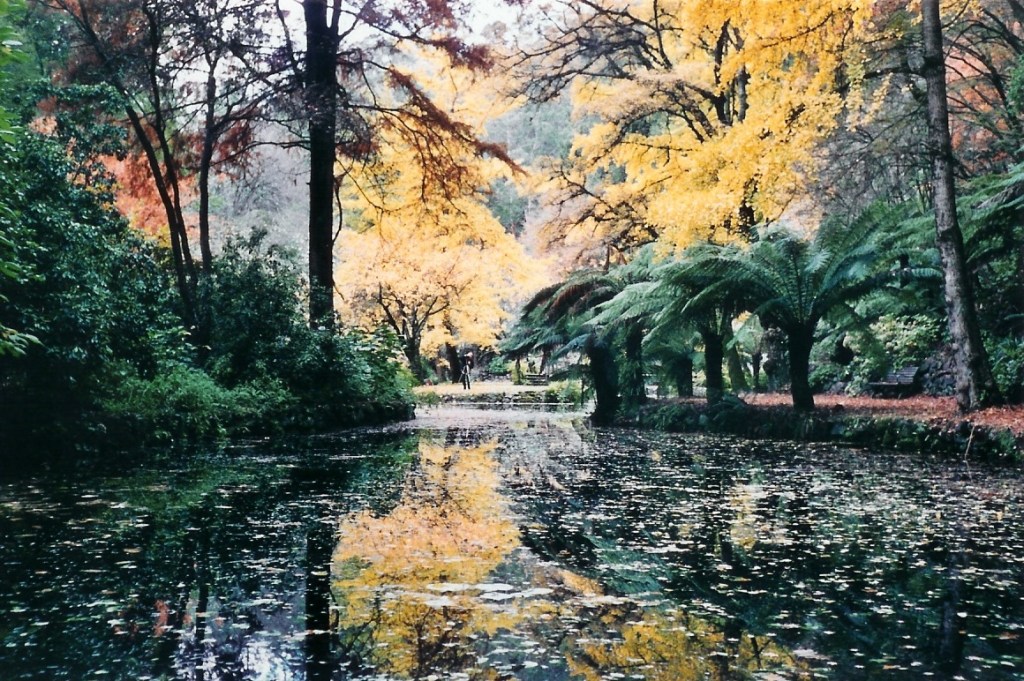
Come and see me with autumn’s fall
We’ll share the light and colour
I‘ll always answer your call
Come and see me in winter time
When the wind blows cold
Makes our warmth sublime
Come and see me in joyful spring
When the world renews
Our time for loving
Come and see me in summer heat
When we can seek cool places
Where and whenever we meet
Or come and see me forever one day
And we’ll stay together
Forever always
As I head
toward the door
Questions
head my way
Where are you going?
Walking.
Where to?
It doesn’t matter, I say
Walking
a destination in its own right
Walking
the easiest way
we can fully engage
With the natural world
In walking
we place ourselves
at a new destination every minute
we escape ourselves
And we expose ourselves
to genuine experiences
of our surroundings
and the elements
on the human scale
What will you look for?
I smile
knowing whatever I look for
I will also find many things different
I don’t need to look
for anything in particular
because I will find
small parts of everything
Walking always takes me there
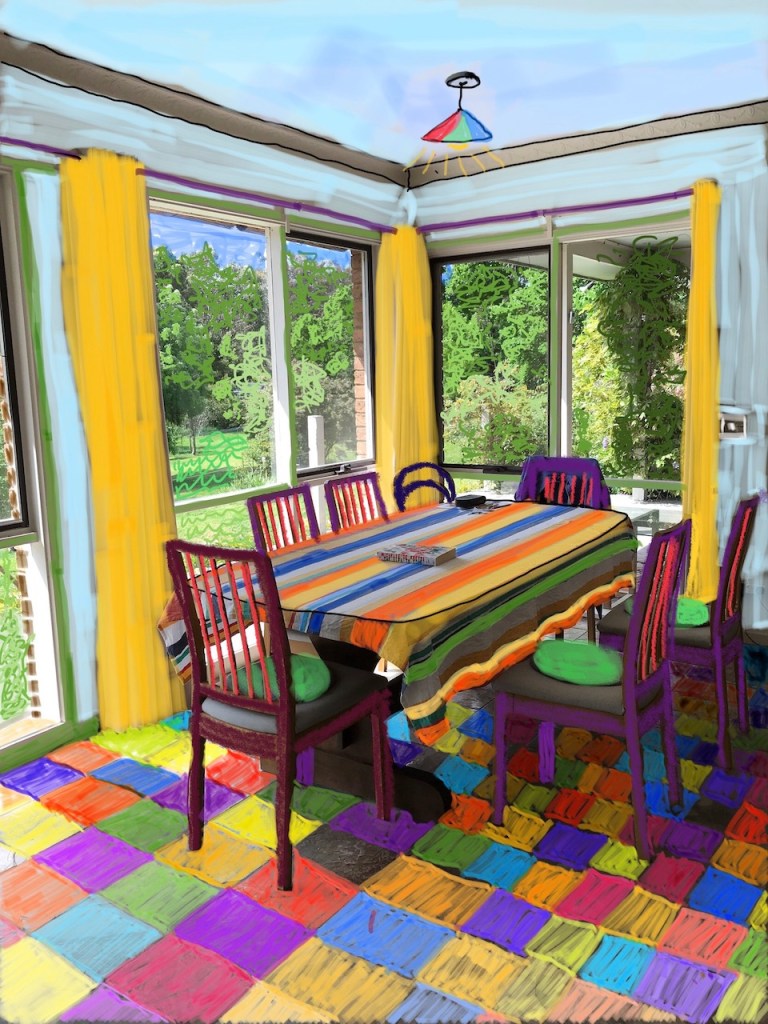
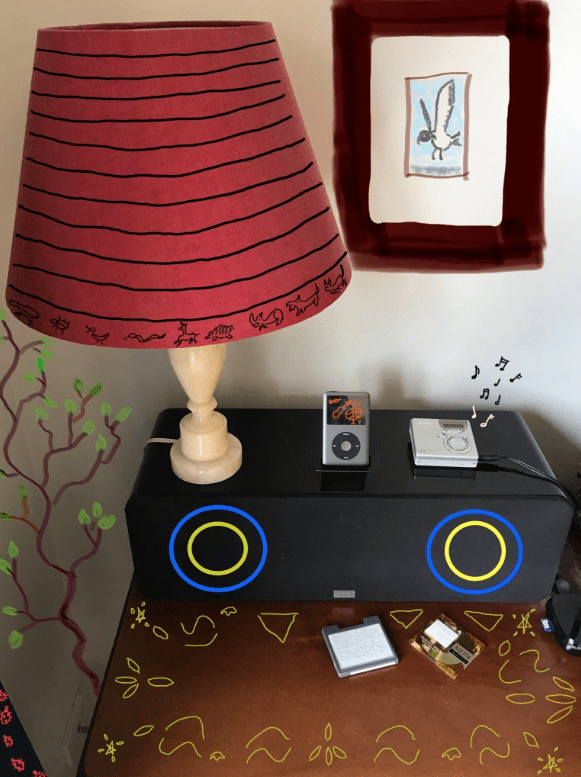
Click on the link http://strathbogie.org/wp-content/uploads/2020/09/202010_nws_TT.pdf
Be kind to the one that you love
Love isn’t a problem to solve
Love is human unique
With no room for pique
To give and receive
To hold and believe
Be kind to the one that you love

In this book, Margaret Atwood shares with us a set of short stories. The principal characters are all women. The narrative revolves around their self perception. Each story represents an episode from a life. Many of these episodes are ongoing and without conclusion regardless of coming to the end. However, this doesn’t matter because the stories are more about getting an insight into what makes each principal tick, rather than the story itself. This is an intimate and rewarding approach to sharing the motivation for some women’s choices. In a way, this approach makes discussion of the stories themselves superfluous. So, I am going to consider the writing style used to communicate these internal dialogues instead.
I like Margaret Atwood’s style. It is direct and concise. Atwood’s sentences are short and often punchy. She is descriptive in a precise and succinct way. She fills out her characters in a purposeful, almost business like manner, but without sacrificing personality. Quite an achievement really. There’s something empirical in the way she speaks to the reader. She writes from an evidence base. There is an explanation for everything so that the content becomes believable and thus compelling.
Internal dialogues are an important tool for Atwood. She utilises self consciousness to tell the character’s story in such a way you develop an intimate perspective. It feels partly voyeuristic. On the other hand, there is a concurrent application of third party detachment. This balance allows you to proceed without feeling too guilty about listening to private thoughts and observing private actions. This approach works well for the reader. It invites you in. As a consequence, each encounter feels primarily like a unique sharing of a personal psychological profile. Each story becomes something of a secondary tale, just a vehicle for achieving the author’s primary goal.
Recommended as an interesting and informative approach to gender specific short story telling.




 poetography.ink